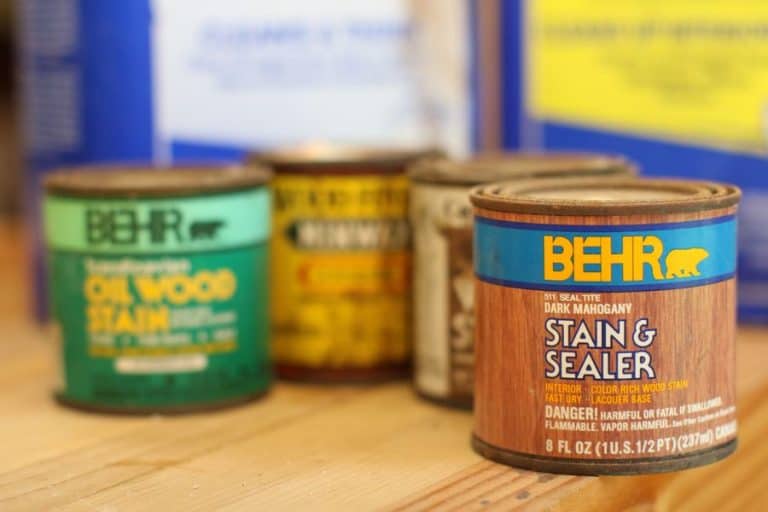
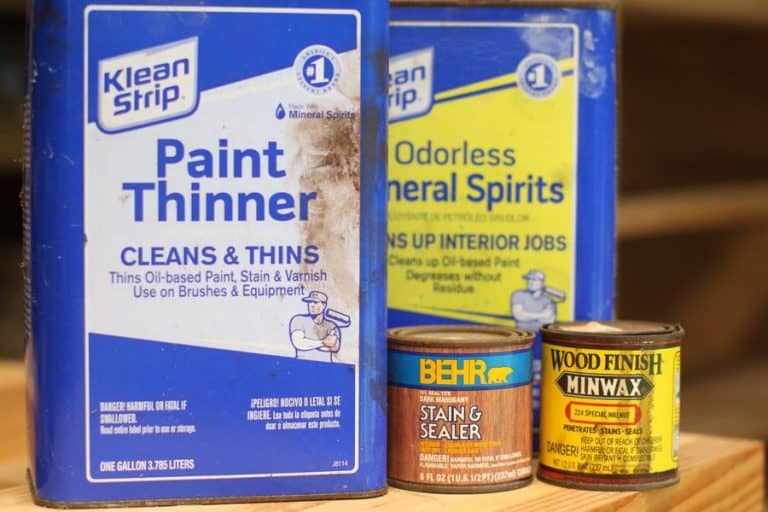
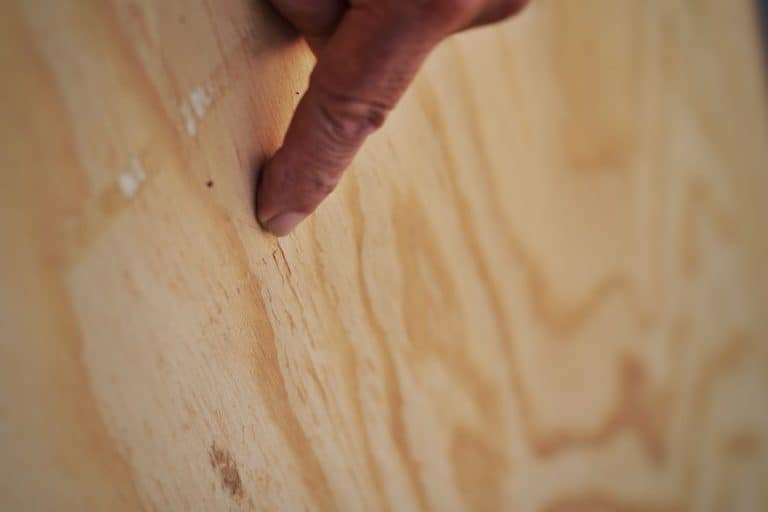
Plywood is one of the most versatile and cost-effective building materials, and as a result, it is also one of the most popular. So many home DIY projects involve the use of this type of wood, and in order to give it a finished look, most turn to stain. I have put together a comprehensive…
Introducing children to wood projects is a fantastic idea, no matter what age they are. Your kids will learn how to build and create while working with their hands, boosting confidence while simultaneously making something of use. Enjoy my top 25 easy wood projects for kids.List of Children Woodworking ProjectsDive into my favorite simple woodworking…
I’ve put together 50 different simple woodworking projects for you to tackle today. These easy scrap wood projects plans might surprise you with how easy to follow they are. Find one or two beginner woodworking projects to try today!Small Wood Projects1. Wood Cup Holder Sofa SleeveThis wood cup holder goes perfectly on your sofa’s arm.…
In this article, I compared and contrast two film-forming wood finishes. Learn the biggest difference between pre-catalyzed lacquer and polyurethane, which is better, and when to use each one. What Is Pre-Catalyzed Lacquer? Pre-catalyzed lacquer, also called ‘pre-cat’, is a synthetic finish made from resin dissolved into various polymers and solvents. Pre-Cat Lacquer CharacteristicsIt is differentiated from…
Two substances created during petroleum processing are mineral spirits and mineral oil. Find out more about each of these products and the similarities and differences between them. After revealing the major differentiating factor, I’ll explain which is better. I’ll also give you the rundown on when to use mineral spirits, and when mineral oil is…
What are lacquer and stain, how are they the same, and how are they different? When should I use lacquer, and when is stain a better choice? What’s the major differentiating factor between the two — which is better? What Is Lacquer?The technical definition of lacquer is: a non-curing finish formulated with a resin and a…
In this article, learn what Danish oil and polyurethane are and how they compare to each other. Find out when to use each one, and which is better. What Is Danish Oil?Danish oil is used to darken, protect, and waterproof wood. It dries to a satin finish that is fairly durable, although it can be scuffed.…
In this article, I’ll explore the respective dry times of various wood sealers, including how long before they are dry to the touch, when you can apply another coat, and the length of time until the finish is fully hardened. Dry Times for Wood SealerThe length of time it takes wood sealer to dry is affected…
In this article, learn everything you need to know about mineral spirits and denatured alcohol. After giving you the rundown on these two solvents, I’ll delve into their similarities, differences, and applications. Keep reading to find out which is better. What Are Mineral Spirits?Mineral spirits are a petroleum-based solvent. Solvents are substances that have the power…
In this article, I compared and contrast two popular solvents; acetone, and denatured alcohol. After revealing their properties, I’ll explain when to use acetone, and when denatured alcohol is a better choice. Along with revealing the major differentiating factor, I’ll tell you which is better and why. What Is Acetone? Acetone is a colorless, liquid solvent. It…
No matter how careful you are, cracks in wood happen. I reviewed four methods for dealing with cracked wood. Stopping Cracks in Wood From SpreadingDuring the drying process, wood shrinkage leads to cracking, checking, and splitting. Wood that has been properly kiln-dried is less likely to split or crack than green wood. Since preventing cracks is…
Shellac and lacquer are common wood finishes that can be applied by any DIYer with the right technique. But how do you decide between them? In this article, I’ll explain the properties, history, and applications of each finish. Then, I’ll review the similarities and differences before revealing the major differentiating factor. Finally, you’ll learn when to…
In this article, learn more about varnish and polyurethane, including their similarities and differences. I’ll also share the major differentiating factor between varnish and polyurethane, when to use each kind of finish, and which is best overall. What Is Varnish?From a purely technical standpoint, a varnish is any finish that contains a resin and dries to…
Solid stains are used on wood decks to protect them, while also adding color to the wood. With time and exposure to the elements, these stains inevitably degrade. When it’s time to refinish your wooden deck, read this article to learn how to remove every trace of solid stain.How to Remove Solid Stain From Wood…
Polyurethane that is too thick won’t spread well. It also takes a long time to cure and leaves behind unsightly bubbles and wrinkles. I’ll explain when you should thin polyurethane, and when it’s better to leave it as is. You’ll also learn what can be used to thin polyurethane, and get step by step instructions…